
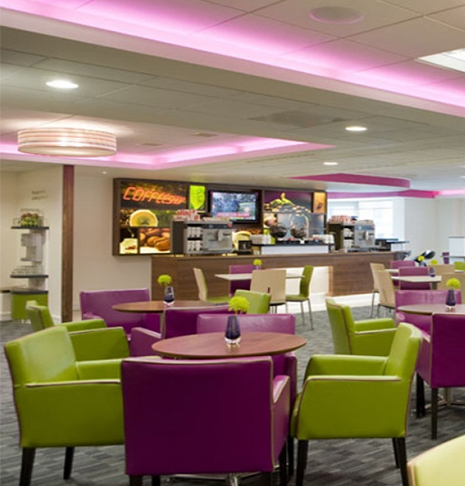
 ect.venues Maple House
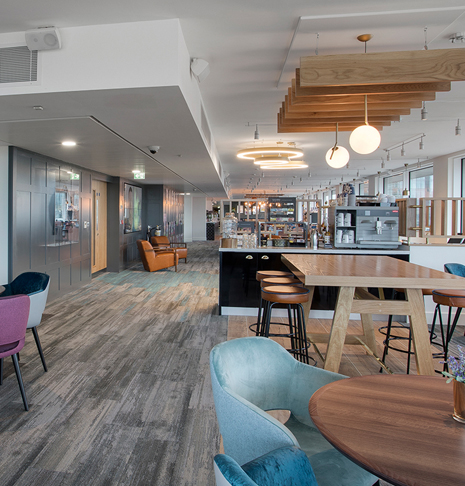
 etc.venues Piccadilly
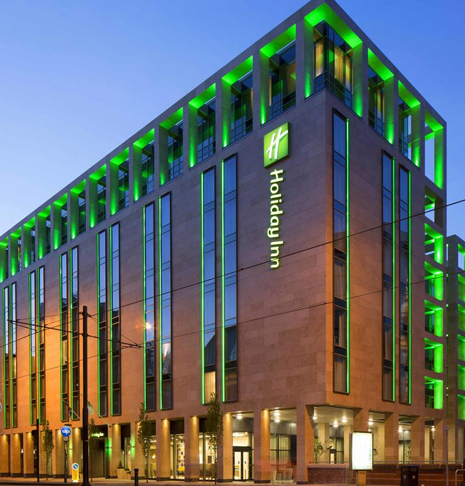
 Holiday Inn City Centre
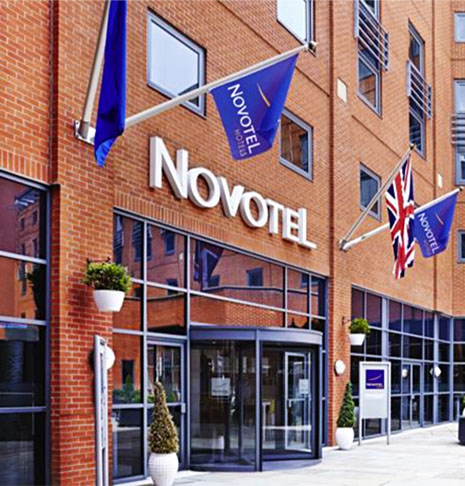
 Novotel Manchester Centre

We are passionate about business change. We help people improve the way they deliver projects and programmes.


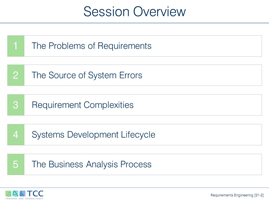
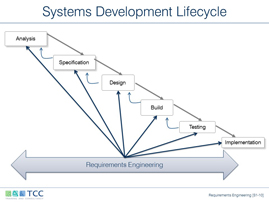
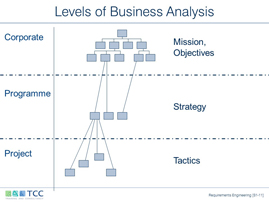
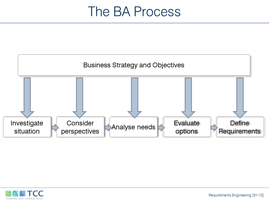
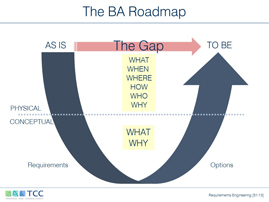
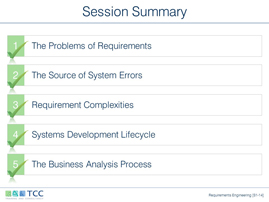
The BCS Requirements Engineering course introduces you to the techniques for uncovering the requirements which will lead to a working, cost-effective solution. With the use of a supporting case study, this course defines the types of requirements, the people involved in the elicitation process, the techniques of requirements analysis and the ways of prioritising requirements. It also explores different knowledge types and appropriate techniques for handling these.
Read more...



Virtual Classroom courses provide an experience very close to in-person, without the need to travel to one of our training centres.
Virtual Classroom events run 09:00 - 17:00, UK Time, and include regular breaks throughout the day. You can join from anywhere, with just a computer, webcam, microphone and Internet connection. Our friendly team are happy to help you get set up.
For more, see our Introduction to Virtual Classroom Training.
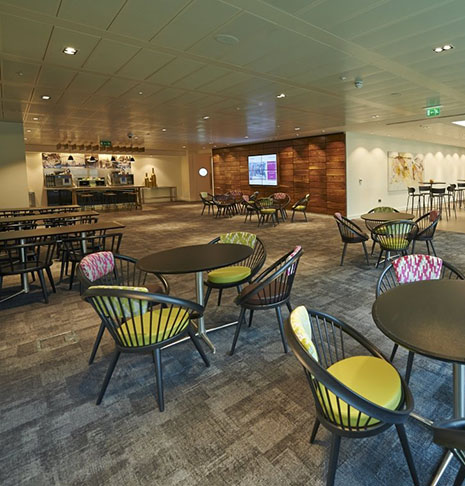
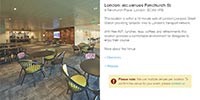
This location is within a 10 minute walk of London Liverpool Street Station providing fantastic links to London's transport network.
With free WiFi, lunches, teas, coffees and refreshments this location provides a comfortable environment for delegates to enjoy their course.
More about this Venue
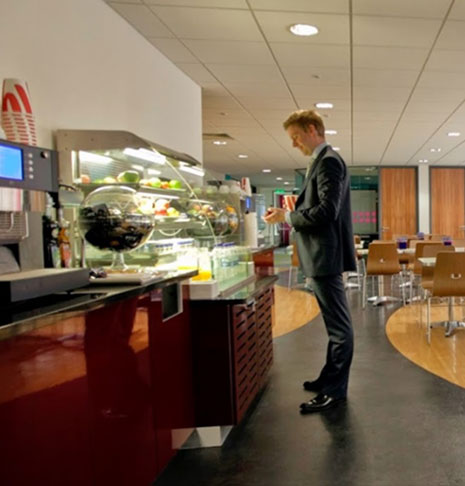
Fantastic location in the City of London's Square Mile right next to Moorgate Tube Station. Vibrant, buzzy cafe and networking area with signature etc.venues coffee stations.
More about this Venue
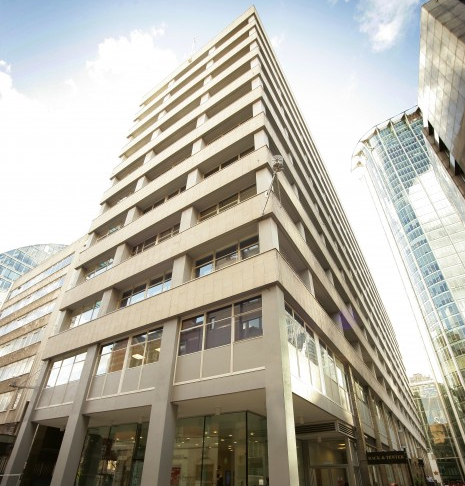
Fantastic location right next to Moorgate Tube Station. Striking design, loads of daylight and great views across the City. Vibrant, buzzy cafe and networking area with signature etc.venues coffee stations.
New 'City Mezze' food offering provides a powerful explosion of energising brain fuel packed with taste and quality.
More about this Venue
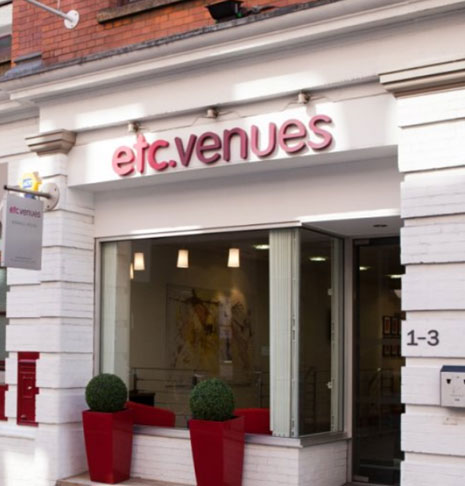
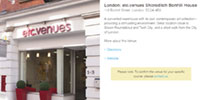
A converted warehouse with its own contemporary art collection - providing a stimulating environment. Great location close to Silicon Roundabout and Tech City, and a short walk from the City of London.
More about this Venue
 etc.venues Fenchurch Street
 etc.venues 120 Moorgate
 etc.venues Tenter House
 etc.venues Bonhill House

 What's included
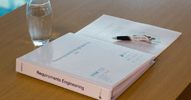 Your desk

 1
1


 3
3

The BCS Requirements Engineering course introduces you to the techniques for uncovering the requirements which will lead to a working, cost-effective solution. With the use of a supporting case study, this course defines the types of requirements, the people involved in the elicitation process, the techniques of requirements analysis and the ways of prioritising requirements. It also explores different knowledge types and appropriate techniques for handling these.
Requirements Engineering is a Practitioner Certificate from the BCS Professional Certifications portfolio (formerly ISEB Certifications). It is also one of an integrated set of courses leading to the widely respected Higher Certificate - the BCS Diploma in Business Analysis.
Requirements Engineering is a CORE module of the BCS Business Analysis Diploma.
When it comes to choosing a training provider, we recognise that it is important to know exactly what you are getting for your money.
TCC is proud to maintain some of the highest standards in the training industry.
Everything from our trainers, to the course materials and venues we use, is carefully considered to ensure that we deliver you a great course.
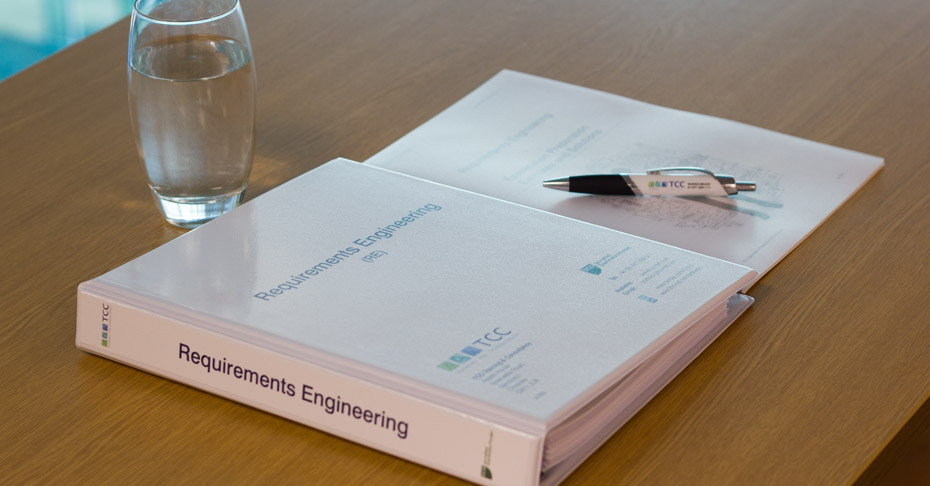
Take a look at what is included:
* Light breakfast selection available on city centre courses in Birmingham and at some London venues (please enquire for further information).
Customer satisfaction is our number one priority and we will always aim to deliver outstanding service and quality.


Making the difference. Trusted by leading organisations worldwide, since 1981.


 Find Courses






 Get a Quote